

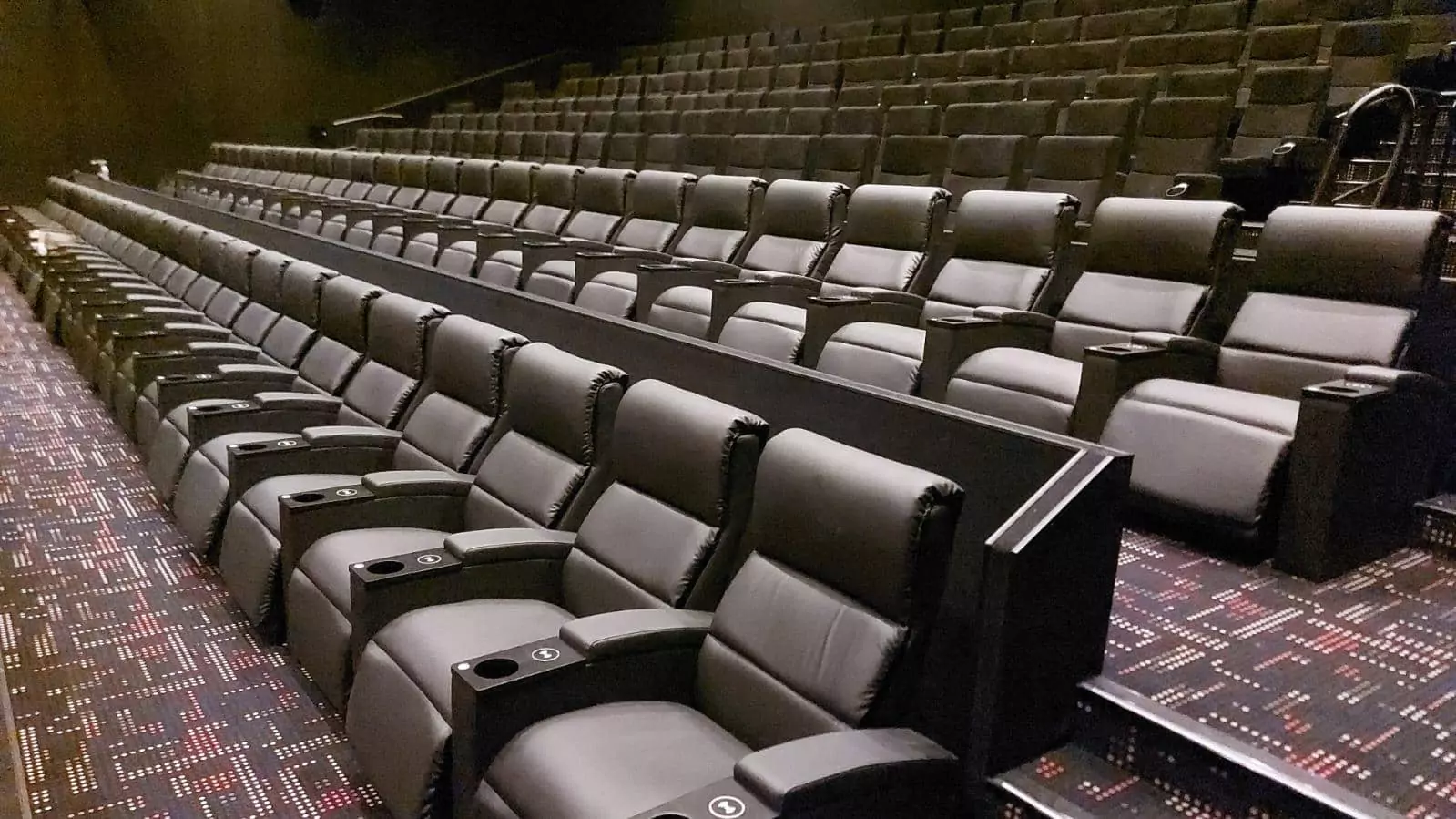
Recliner Seating as a Comfort System
Recliner seating represents a distinct category within seating solutions, defined not only by its ability to recline but by the experience it creates for the user. Unlike fixed seating, recliner systems actively respond to the body, allowing adjustment, support, and relaxation to occur simultaneously. This interaction changes how people occupy space and how long they remain engaged within it.
In professional environments, recliner seating is not simply about luxury. It is about controlled comfort, predictable behavior, and sustained usability over extended periods of time.
Recliner Seating and User Behavior
The defining characteristic of recliner seating is choice. Users are not forced into a single posture but are allowed to adjust their position according to personal comfort.
This freedom influences behavior in several ways
Users remain seated for longer periods without discomfort
Body movement becomes controlled rather than restless
Overall posture stabilizes once the preferred position is reached
From a design perspective, this predictability is essential. Recliner seating encourages calm, settled use rather than constant adjustment.
Comfort as an Active Function
In recliner seating, comfort is not static. It evolves as the user interacts with the seat. Backrest angle, leg support, and body alignment work together to distribute weight and reduce pressure.
Effective recliner seating systems focus on
Smooth transition between seating positions
Balanced support across back, hips, and legs
Stability at every stage of movement
The goal is to provide comfort that feels intuitive rather than mechanical.
Spatial Impact of Recliner Systems
Recliner seating changes how space is planned. Because seats extend and adjust, spatial allowances must be carefully calculated to maintain circulation and visual order.
Well planned recliner seating layouts support
Clear movement paths even in reclined positions
Consistent spacing between users
Visual balance across seating rows
When space planning is done correctly, recliner seating enhances rather than disrupts the environment.
Durability Under Repeated Motion
Unlike fixed seating, recliner systems involve movement. This makes durability a critical factor in long term performance.
Professional recliner seating is designed to withstand
Repeated mechanical motion
Continuous daily use
Varying user weights and movement patterns
Structural integrity ensures that motion remains smooth and silent over time, without degradation in performance.
Quiet Operation and User Focus
In environments where attention and immersion matter, noise becomes a critical issue. Recliner seating must operate quietly to avoid distraction.
High quality recliner systems are characterized by
Controlled movement without sudden shifts
Minimal operational sound
Stable positioning once adjusted
Silence is as important as comfort in maintaining a focused user experience.
Visual Discipline in Recliner Seating
Despite their complexity, recliner seats must maintain visual order. Excessive bulk or visual clutter can overwhelm a space.
Well designed recliner seating emphasizes
Clean outlines and balanced proportions
Consistency across seating units
Visual calm even when seats are partially reclined
This discipline allows recliner seating to integrate seamlessly into professional interiors.
Adaptability Across Environments
Recliner seating is used in a wide range of settings, from entertainment venues to premium waiting areas and private environments. Each application requires a tailored approach.
Adaptable recliner seating systems allow
Different usage scenarios without redesign
Consistent comfort across environments
Long term relevance despite changing needs
Adaptability is achieved through thoughtful engineering rather than added complexity.
Recliner Seating as a Long Term Investment
In professional applications, recliner seating is evaluated over years, not months. Reliability, ease of maintenance, and sustained performance determine long term value.
Long lasting recliner seating solutions provide
Predictable performance throughout their lifecycle
Reduced need for intervention or replacement
Stable user experience over time
This reliability transforms recliner seating from a feature into an asset.
The Invisible Success of Recliner Seating
The most successful recliner seating systems are rarely noticed once in use. They simply work, supporting the user without drawing attention to the mechanism itself.
When recliner seating performs correctly, it
Encourages relaxation without disengagement
Maintains order within shared spaces
Supports comfort without visual dominance
Conclusion
Recliner seating is a comfort system rather than a simple seating option. It combines movement, support, and spatial awareness to create environments where users remain comfortable, focused, and settled over long periods.
When designed with precision and long term use in mind, recliner seating becomes a quiet but powerful contributor to the success of professional spaces.
Created By : Simko Cinema Seating